
A rare disease is one that affects a very small group of people and, for this reason, its diagnosis and management are more complex. At Hospital de Sant Pau we have a Rare Diseases Programme that provides the multidisciplinary care these patients need.
Rare Diseases
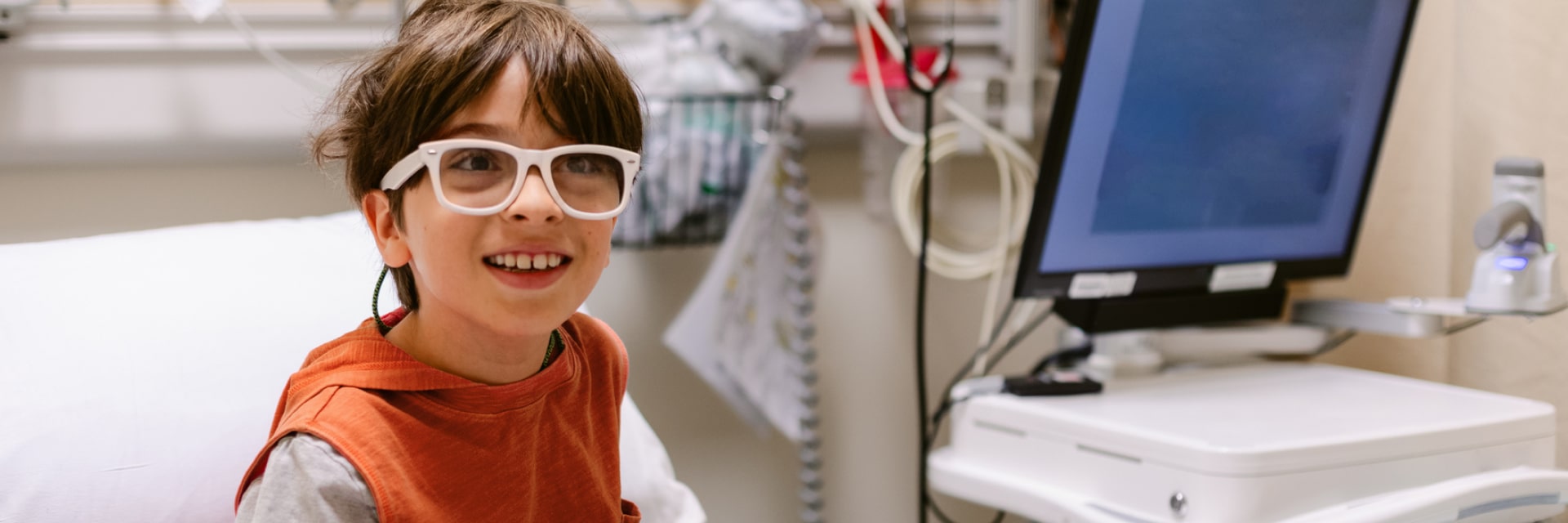
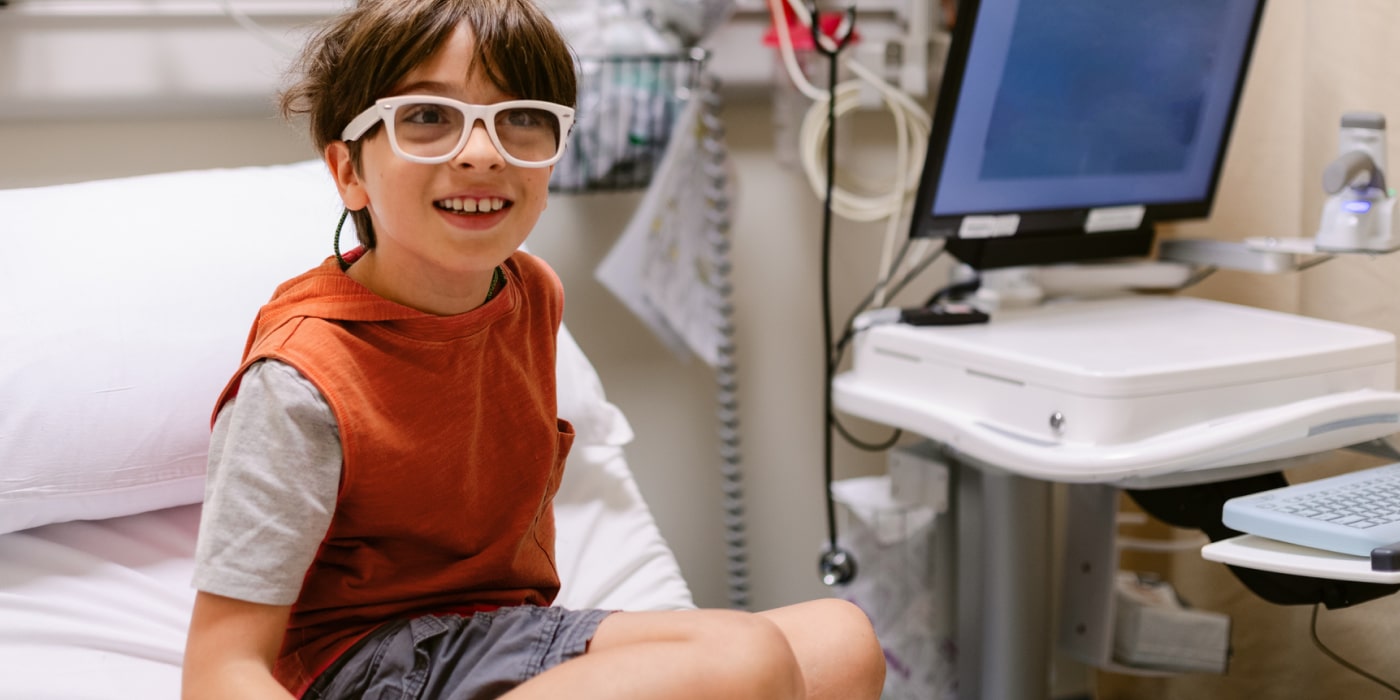
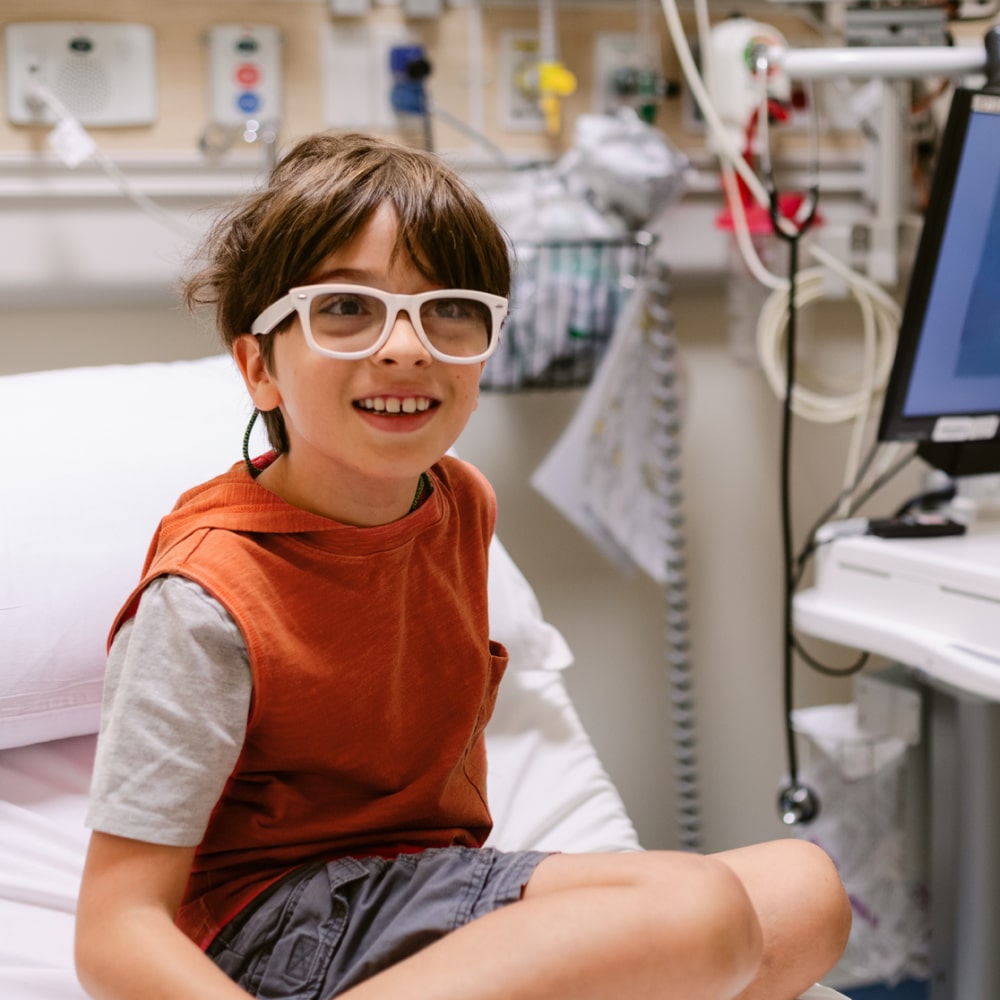
Rare diseases at Sant Pau
What are rare diseases?


Rare diseases are characterised by their low prevalence: they affect fewer than 5 out of every 10,000 people. Currently, there are more than 7,000 identified diseases, impacting the daily lives of more than 30 million people in Europe, 3 million of whom live in Spain.
These diseases are poorly understood, which makes both diagnosis and access to treatments difficult. The condition may be evident from birth or childhood, but in some cases it does not appear until adulthood.
They usually have a major impact, both on patients and their families, and require multidisciplinary care in specialised centres. For this reason, health systems have developed various tools to provide appropriate care.
Living with a rare disease
Living with a rare disease can be a complex challenge for patients and their families, physically, emotionally, socially, and financially. The main challenges include:

Delayed or incorrect diagnosis
Rare diseases take an average of 4 years to be diagnosed.

Lack of specific treatments
There may not be effective treatments, or no treatments at all.

Psychological impact
Living with a rare disease can be a heavy emotional burden.

Lack of understanding
Limited knowledge may lead patients and families to encounter non-empathetic attitudes.

Financial difficulties
Expenses related to the disease and work disability can worsen the financial situation of patients and families.
Rare Diseases Programme at Hospital de Sant Pau
The Rare Diseases Programme at Hospital de Sant Pau promotes a multidisciplinary approach through Functional Units that bring together professionals from different specialities to provide patients with coordinated and comprehensive care. Each Unit has a coordinator and a case management nurse, who ensure coordination and build a close link between patients and healthcare teams.
This model is aligned with the Programme for Rare Diseases from Servei Català de Salut, the Catalan Health Service (XUEC - Xarxa d'Unitats d'Expertesa Clínica) and other initiatives, also in the whole of Spain (CSUR - Centros, Servicios y Unidades de Referencia del Sistema Nacional de Salud) and in Europe (ERN - European Reference Network).
Rare diseases and rare disease groups we address
Adults
- Sarcomas and other musculoskeletal tumours.
- Rare non-oncological haematological diseases. In coordination with Hospital Sant Joan de Déu.
- Red blood cell disorders (hereditary erythropathology).
- Bone marrow failure and rare hematopoietic disorders.
- Hemostasis disorders.
- Rare neurological diseases.
- Rare neuromuscular diseases.
- Rare diseases with epilepsy. In coordination with Hospital del Mar.
- Rare diseases with movement disorders.
- Rare diseases with cognitive disorders.
- Genetic cognitive-behavioural rare diseases.
- Systemic autoimmune diseases.
- Rare endocrine diseases.
- Complex hypothalamic-pituitary pathology.
- Genetic disorders of glucose and insulin homeostasis.
- Rare thyroid diseases.
- Rare respiratory diseases.
- Diffuse interstitial lung diseases.
- Non-cystic fibrosis bronchiectasis.
- Rare vascular anomalies diseases.
- Rare kidney diseases. In coordination with Fundació Puigvert.
Paediatrics
- Rare non-oncological haematological diseases. In coordination with Hospital Sant Joan de Déu.
- Red blood cell disorders (hereditary erythropathology).
- Bone marrow failure and rare hematopoietic disorders.
- Hemostasis disorders.
- Rare neurological diseases.
- Rare diseases with epilepsy. In coordination with Hospital del Mar.
- Rare kidney diseases. In coordination with Fundació Puigvert.
How to make an appointment at Hospital de Sant Pau
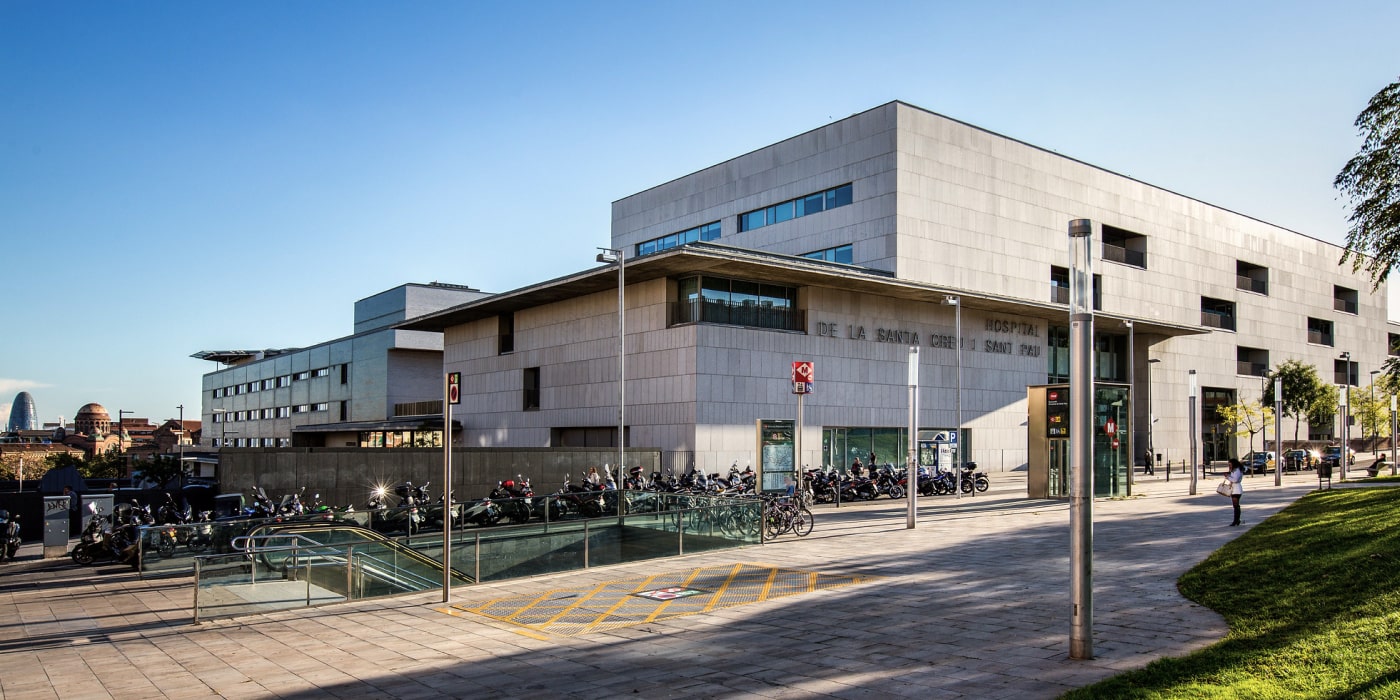
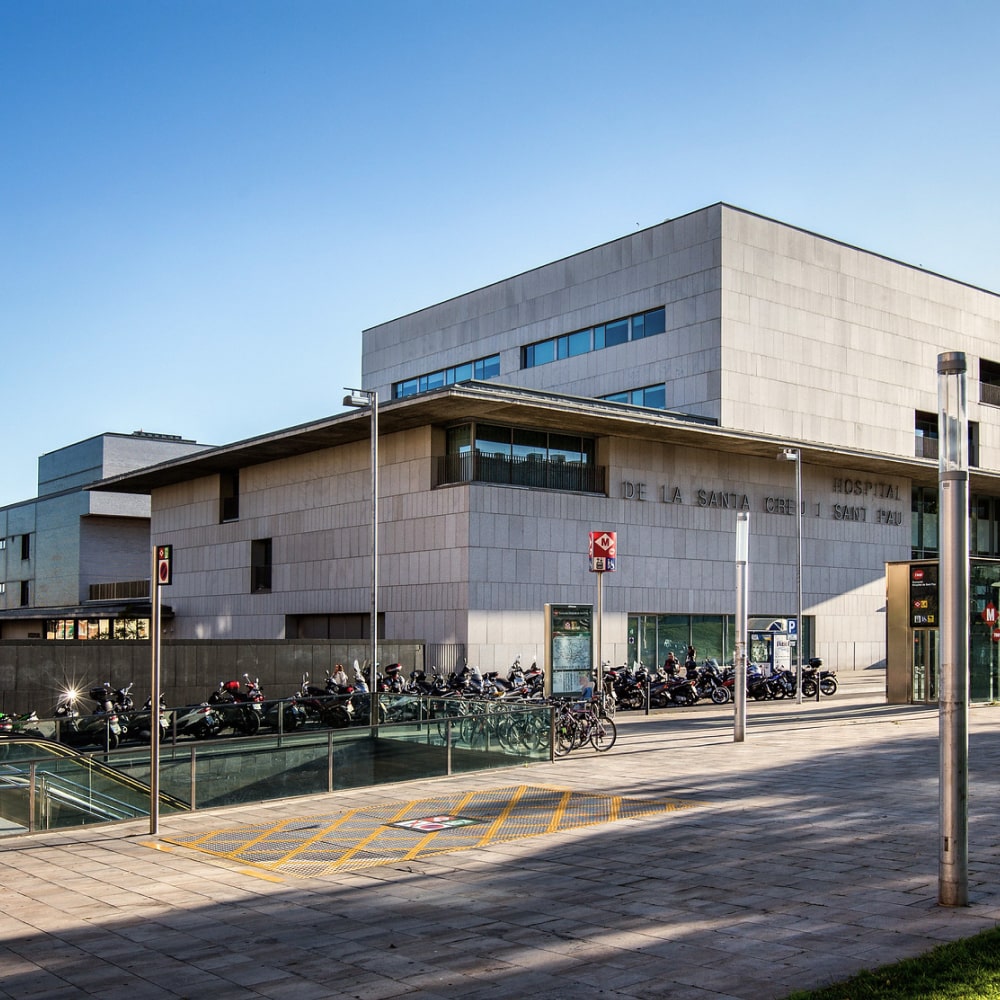
To access the Rare Diseases Program at Hospital de Sant Pau, you must be referred by your Primary Care Centre (CAP) or your hospital.

Patients from Catalonia
- If you live in Catalonia, request a referral from your doctor at your CAP or your hospital.
Patients from other autonomous communities
- If you live in another autonomous community in Spain, ask your doctor at the hospital to make a referral to Hospital de Sant Pau. This must be processed through the SIFCO system.
Contact
For more information, you can call 34 646 92 11 50 or send a message using the contact form below.
Care initiatives: XUEC, CSUR, ERN
Due to their complexity, rare diseases require a multidisciplinary approach from highly experienced professionals. To improve care, health systems have implemented several initiatives aimed at optimising diagnosis and treatment of these uncommon conditions:
- Xarxa d'Unitats d’Expertesa Clínica (XUEC) from Servei Català de Salut
- Centres, Serveis i Unitats de Referència (CSUR) from Sistema Nacional de Salud Español
- European Reference Network (ERN) in the European Union
Hospital de Sant Pau is committed to improving the multidisciplinary care these diseases require and actively participates in these initiatives with the following accreditations:
8
XUEC
Xarxa d’Unitats d’Expertesa Clínica
(Servei Català de Salut)
14
CSUR
Centros, Servicios y Unidades de Referencia
(Sistema Nacional de Salud Español)
6
ERN
European Reference Network
(Unió Europea)
Research in rare diseases: an essential commitment
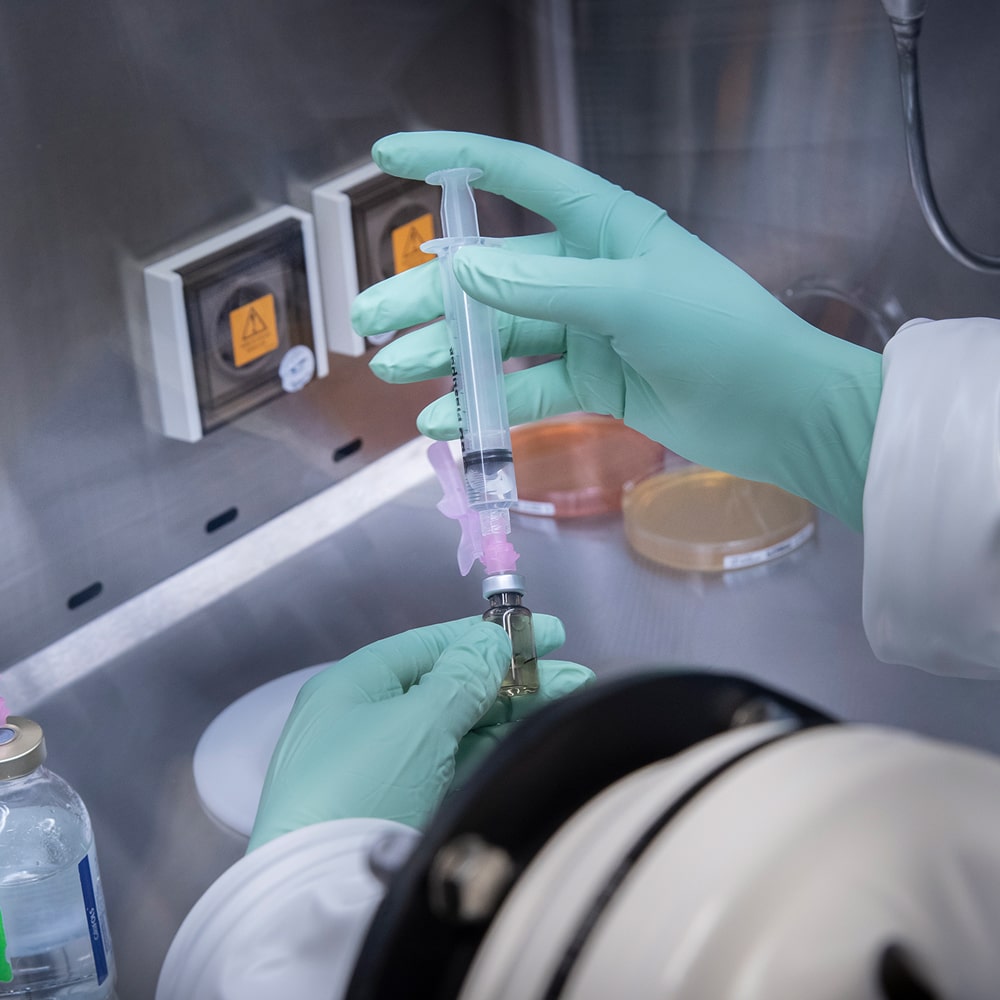
Although rare diseases affect a small number of people, their impact on patients’ and families’ lives is profound. In the face of this challenge, research is essential to advance diagnosis, develop treatments, and in some cases, find a cure.
For the Institut de Recerca Sant Pau, this work is a priority. Currently, 18 research groups are dedicated to rare diseases, involving more than 300 professionals. Their work positions Sant Pau as a reference centre in the study of these conditions, and it is the Spanish institution with the highest representation in the Centro de Investigación Biomédica en Red de Enfermedades Raras, with five funded groups. Each breakthrough brings renewed hope for patients and their families, reaffirming Sant Pau’s commitment to health and the future of our society.
Patient stories
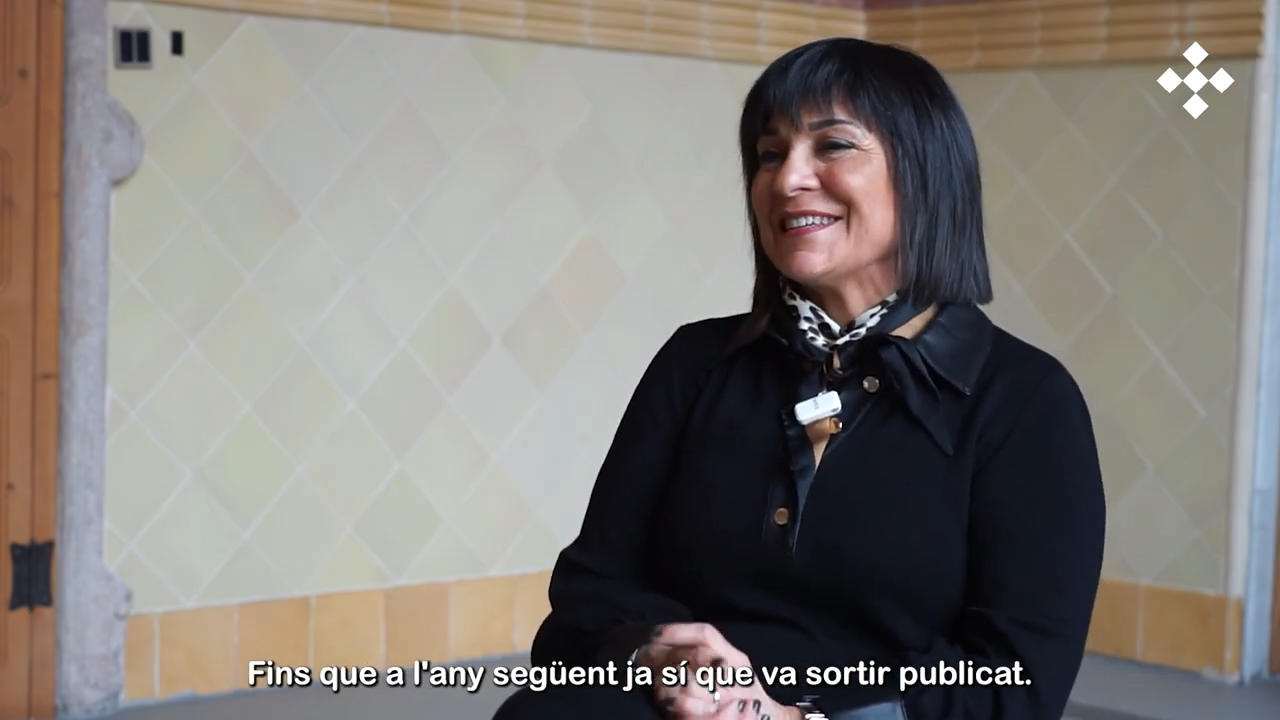
Human Stories: Ana
Ana, a patient with a genetic mutation that has caused ALS in some family members, talks with Dr Ricard Rojas, neurologist and coordinator of the Functional Unit for Amyotrophic Lateral Sclerosis (ALS).
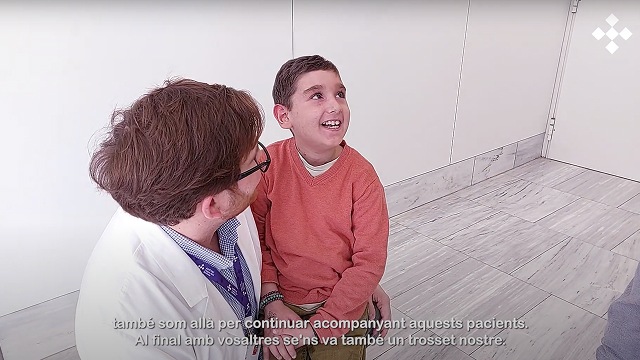
Human Stories: Alexandra and David
Alexandra, mother of a paediatric patient at Hospital de Sant Pau, talks with Dr. Iván López, coordinator of Paediatric Hematopoietic Stem Cell Transplants.
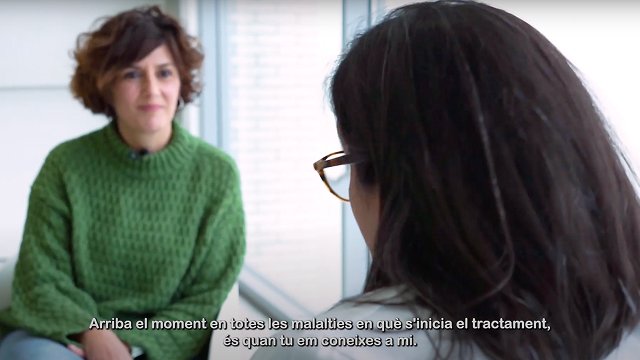
Human Stories: Cristina
Cristina, a patient with lymphangioleiomyomatosis, talks with her case management nurse for rare respiratory diseases, Anna Alonso.

Human Stories: Francesc
Francesc, a patient with haemophilia, talks with Dr. Jose Mateo, coordinator of the Hemostasis and Thrombosis Unit.
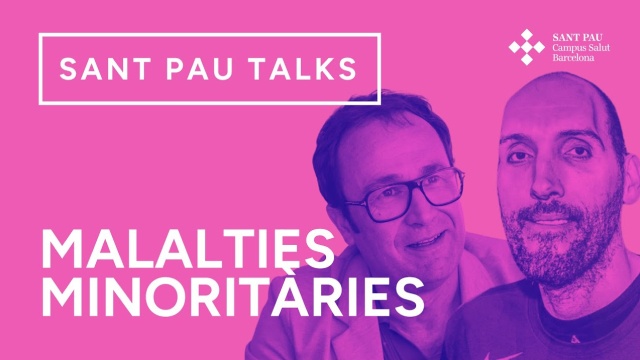
Roberto Dueñas and Dani Vázquez Sallés at #SantPauTalks: Rare Diseases
Event on rare diseases held at the Sant Pau modernist site with Roberto Dueñas, Daniel Vázquez Sallés, Susan Webb, and Cristina Puig.


