
Epilepsy is a brain disorder characterised by a predisposition to suffer recurrent epileptic seizures. These seizures occur due to the presence of frequent and unpredictable interruptions of normal brain function. It is the expression of a variety of diseases that reflect brain dysfunction, which may have several causes, the most frequent being those of genetic origin and those secondary to structural lesions.
Except for some forms of epilepsy that occur only during childhood and in old age, most causes involve a risk of seizures throughout life, and therefore follow-up and treatment are required in most cases, which may begin in childhood and continue into adulthood. In addition, repeated epileptic seizures involve a series of complications, such as cognitive and behavioral impairment, social maladjustment, and difficulties attending school during childhood or maintaining employment in adulthood.
In the socioeconomic sphere, epilepsy causes significant school and/or work absenteeism, considerable family stress, and, since it is often accompanied by psychiatric conditions such as depression or anxiety disorders, it has a very important social impact.
The Functional Unit
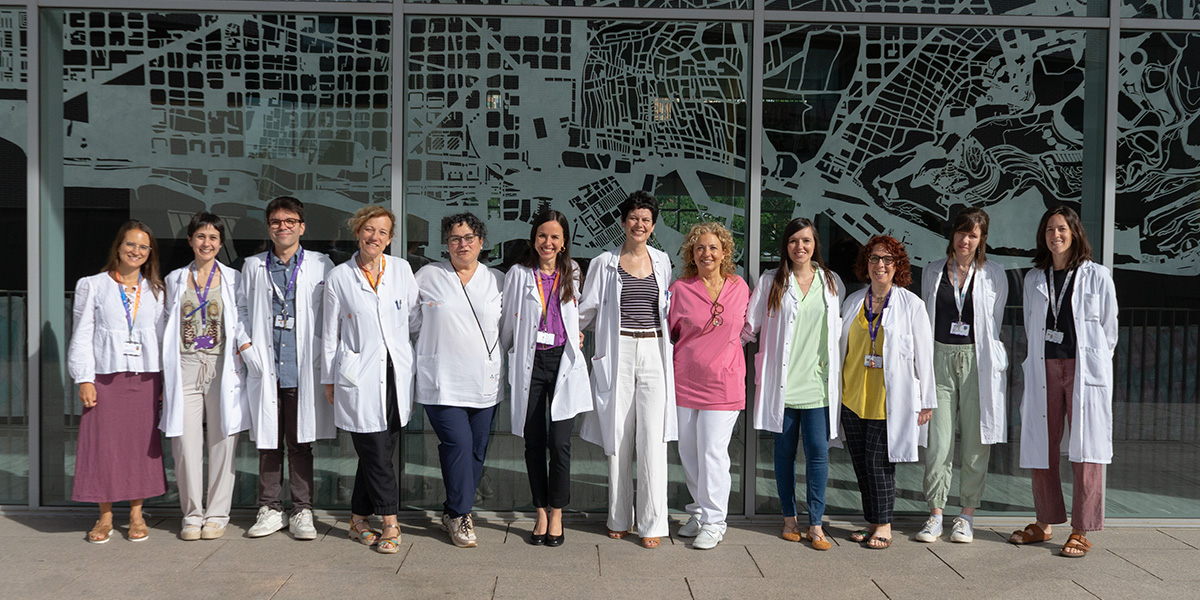
In order to guarantee continuous and coordinated care from childhood through adulthood, the Functional Epilepsy Unit brings together specialists in the care of both adults and children at our Hospital. This allows, on the one hand, the early initiation during childhood of treatments that may already be indicated in adulthood and, on the other hand, the continuation in adulthood of certain treatments previously considered paediatric and with which adult medicine has less experience.
For the correct diagnosis and treatment of the different causes of epilepsy, both an interview to collect the patient’s medical history, symptoms, and context, and an EEG (electroencephalogram) are essential, with the aim of achieving the diagnosis of a specific epileptic syndrome.
For this reason, and in order to offer comprehensive care to our patients, a collaboration agreement was established in 2020 with Hospital del Mar with the aim of sharing both diagnostic and therapeutic pathways. Thanks to this, our Epilepsy Unit, together with the Epilepsy Unit at Hospital del Mar, has been designated as a Clinical Expertise Unit (UEC) for rare diseases with genetic and structural epilepsy.
In addition, we are also part of the UEC for genetically based cognitive-behavioral disorders, coordinated by the Genetics Department.
Epilepsy is part of Sant Pau’s Rare Diseases Programme.
Objectives of the Unit
- To ensure comprehensive care for patients with epilepsy, providing a single, organised and coordinated response regardless of age or where they are treated (emergency department, outpatient clinics, hospitalisation).
- To provide high-quality care to patients with epilepsy, ensuring coordination with primary care and easy access to tertiary care (such as access to treatments and technology that can only be offered by a highly complex hospital team such as Sant Pau).
- To provide tertiary epilepsy care in association with the Epilepsy Monitoring Unit at Hospital del Mar (CSUR and ERN EpiCARE).
- To improve the care of patients with epilepsy within our catchment area.
- To update knowledge and standardise protocols among all members of the Unit.
- To reduce hospital admissions, provide home care when required, and improve the overall efficiency of diagnosis and treatment of patients with epilepsy.
- To establish a clinical framework that allows integrating translational research with participation in clinical trials.
Team
Composition, coordination and Departments involved in the Unit:
- Neuropaediatrics: Laia Turón (coordinator), Júlia Rubies, Asunción Díaz, Gemma Olivé.
- Neurology: Alba Sierra (coordinator), Victoria Ros, Samuel López.
- Case manager: Belén Acosta.
- EEG nurses: Núria Ibáñez, Susana Rodríguez.
Other Departments involved:
- Paediatrics: Elisabet Coca (paediatric neurocritical care), M. José García (neonatal neurocritical care).
- Clinical Genetics: Susana Boronat.
- Endocrinology and Nutrition: Sònika García-Ribera, Naiara Carrasco, Rocío Puig.
- Genetics: Ivon Cuscó, Benjamín Rodríguez, Clara Serra, Anna Abulí.
- Neurosurgery: Rodrigo Rodríguez, Juan Aibar.
- Neuropsychology: Marc Turón, Carmen García.
- Clinical Psychology: Caterina Bonnín.
- Psychiatry: Sara Crivillés, Maria Luisa Joga.
- Radiology: Marta Gómez Chiari, Esther Granell.
- Emergency Department: Roberto Lazzari, Leopoldo Higa.
- ICU: Matías Nicolás Flores.
The co-coordinators are Dr. Laia Turón (Paediatrics) and Dr. Alba Sierra (Neurology).
Patient Pathway
Outpatient Care
Patients may be referred to consultations from Primary Care Centres of AIS Dreta (Comprehensive Health Care, area of Dreta de l’Eixample), or from our Hospitalisation and Critical Care Units.
In order to offer optimised, continuous and coordinated care throughout life, outpatient care is organised by age groups as follows:
- Under 12 years of age: patients will be seen by neuropaediatricians in the Neuropaediatrics clinics.
- From 12 to 18 years of age: new patients in this age range will be seen by adult neurologists, but in the Neuropaediatrics clinics.
- From 18 years onwards: patients will be seen by neurologists in the Neurology clinics.
TRANSITION: for patients who have been seen by Neuropaediatrics since childhood, a joint visit with neuropaediatrician and neurologist will be carried out in the Neuropediatrics clinics, between the ages of 12 and 18 (depending on the case) in order to initiate a transition process.
During these visits, the necessary diagnostic tests to achieve a correct diagnosis will be guaranteed.
Among these tests, an EEG (with different characteristics depending on the patient) is requested in practically all cases. This test is performed by EEG nurses and examined by neurologists/neuropaediatricians from the Epilepsy Unit.
In some cases, genetic testing will also be included. The Functional Epilepsy Unit holds weekly sessions within the Paediatric Genetics Committee to evaluate undiagnosed cases, decide which genetic tests should be performed and assess the results.
In addition, there is a multidisciplinary committee for rare epilepsies with high comorbidity, where cases are jointly assessed with Neurology, Genetics, Psychiatry, and the case manager.
Inpatient Care
Hospitalised patients are admitted to Paediatrics up to the age of 18 and to adult areas (Neurology Department) from the age of 18 onwards, including, when necessary, adult ICU, paediatric ICU or neonatal ICU, as well as adult or neonatal intermediate care units.
Emergency Care
Patients will be seen in Paediatric Emergency (under 18 years of age) or General Emergency (over 18 years of age) regardless of the professional (neuropaediatrician or neurologist) who treats them. They may also be admitted to hospitalisation wards and critical care units, according to their age.
In addition, urgent EEGs are also examined and reported by the Epilepsy Unit.
Range of Services
1- Diagnosis, treatment, and follow-up of patients with epilepsy in Outpatient Clinics, Hospitalisation, Emergency Department and ICU.
2- Diagnostic tests for epilepsy:
- Neurophysiology
* Scheduled video-EEG: standard, with sleep deprivation, or short monitoring in the Paediatric Day Hospital.
* EEG monitoring in ICU.
* Urgent video-EEG.
- Neuroimaging: Urgent CT, MRI, 3T MRI (both MRI protocols adapted for epilepsy), CT, FDG-PET.
- Genetics: Clinical exome sequencing, whole exome sequencing, genome sequencing (research project), arrays.
- Laboratory: Autoimmunity tests in blood and CSF, metabolic studies in blood, urine, and CSF.
- Through the agreement with Hospital del Mar, prolonged monitoring with surface video-EEG and deep electrodes is also available.
3. Epilepsy Treatment
- Targeted and precision pharmacological treatments.
- Possibility of participation in clinical trials with new molecules.
- Observational studies.
- Ketogenic diet.
- Through the agreement with Hospital del Mar, resective surgical treatments (surgery, laser ablation, electrothermocoagulation) and palliative treatments (vagus nerve stimulator implantation, callosotomy) in patients weighing more than 40 kg or older than 14 years of age.
Research
The Functional Epilepsy Unit has its own research group at the Sant Pau Research Institute: the Epilepsy Research Group.
Contact with the Unit
As a Centre of Clinical Expertise in rare diseases involving epilepsy, patients from other referral areas may contact us either directly or via their referring doctor.
Patients and families can contact us by email; we aim to reply within 48 hours. epilepsia@santpau.cat and epilepsiapedia@santpau.cat.


