
We are a reference unit specialised in the assessment and management of complex disorders affecting the hypothalamic and pituitary region. We work in a coordinated manner across different specialties to provide an accurate diagnosis, advanced treatments and comprehensive follow-up tailored to each patient.
Functional Unit
Complex Hypothalamic and Pituitary Disorders
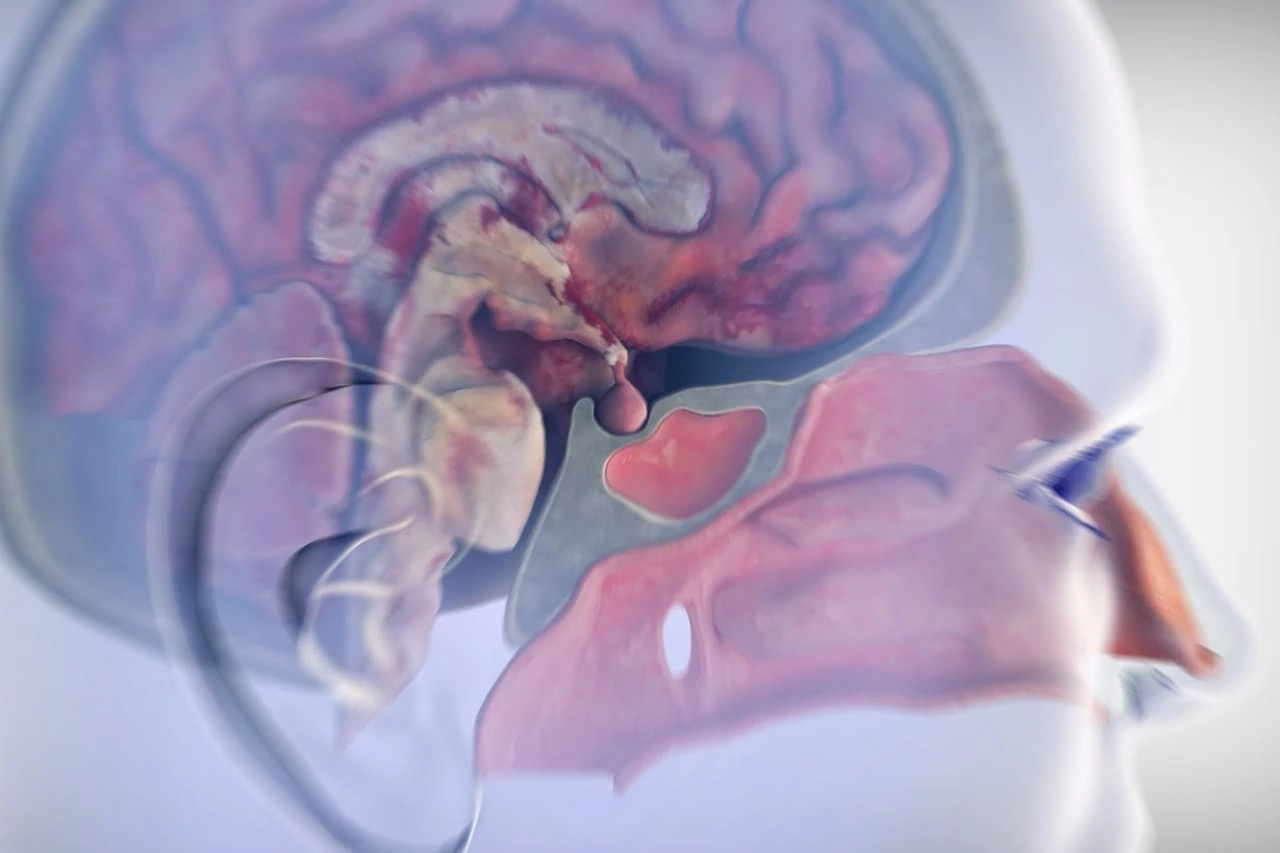
What are complex hypothalamic and pituitary disorders?
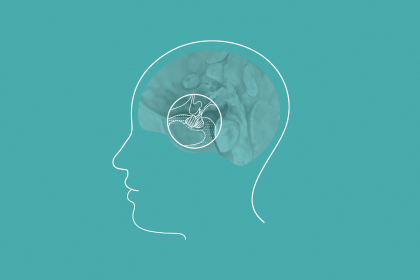
The pituitary gland, also known as the hypophysis, is a small gland located at the base of the brain, beneath the hypothalamic region. It produces hormones that regulate functions such as growth, the menstrual cycle, fertility, thyroid function, weight, water and salt balance, stress response, and levels of energy and wellbeing.
There are disorders that affect the hypothalamic and pituitary region. These may be caused by a tumour or have other causes, and can lead to different alterations:
- Hormonal excess. When the pituitary gland produces more hormones than the body needs, different symptoms may appear depending on the hormone involved, such as excessive growth of certain parts of the body, changes in the menstrual cycle or fertility problems, among others.
- Hormonal deficiency. When the pituitary gland produces fewer hormones than usual, as in the case of hypopituitarism, symptoms such as weakness or menstrual disturbances may occur, among others.
- Compression of neighbouring structures. Some lesions occupy space and may put pressure on surrounding areas. This compression often affects the visual pathways and causes visual problems and headaches.
At the Hospital, we manage a range of conditions related to the hypothalamic and pituitary region, including acromegaly, prolactinomas, Cushing’s disease, craniopharyngiomas, hypophysitis and hypopituitarism, as well as other lesions and hormonal disorders affecting the same region.
The Functional Unit
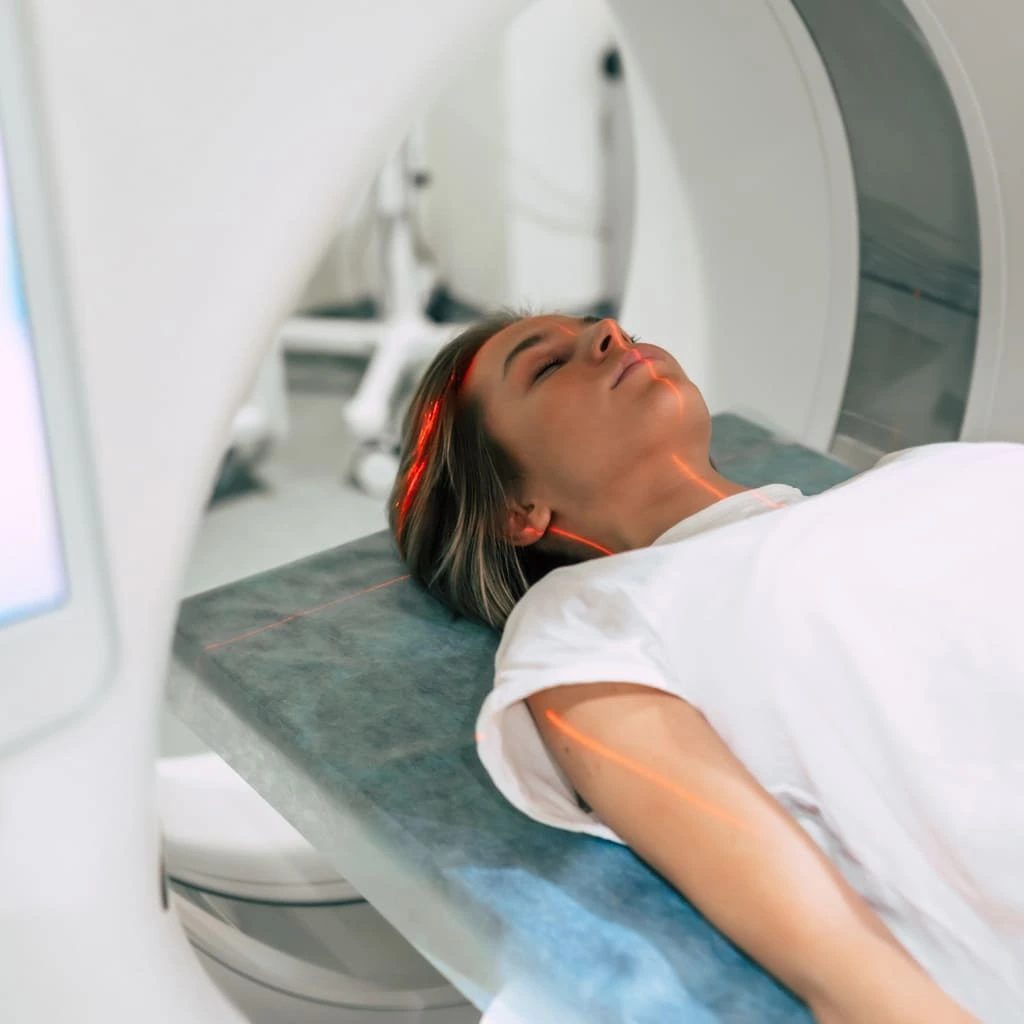
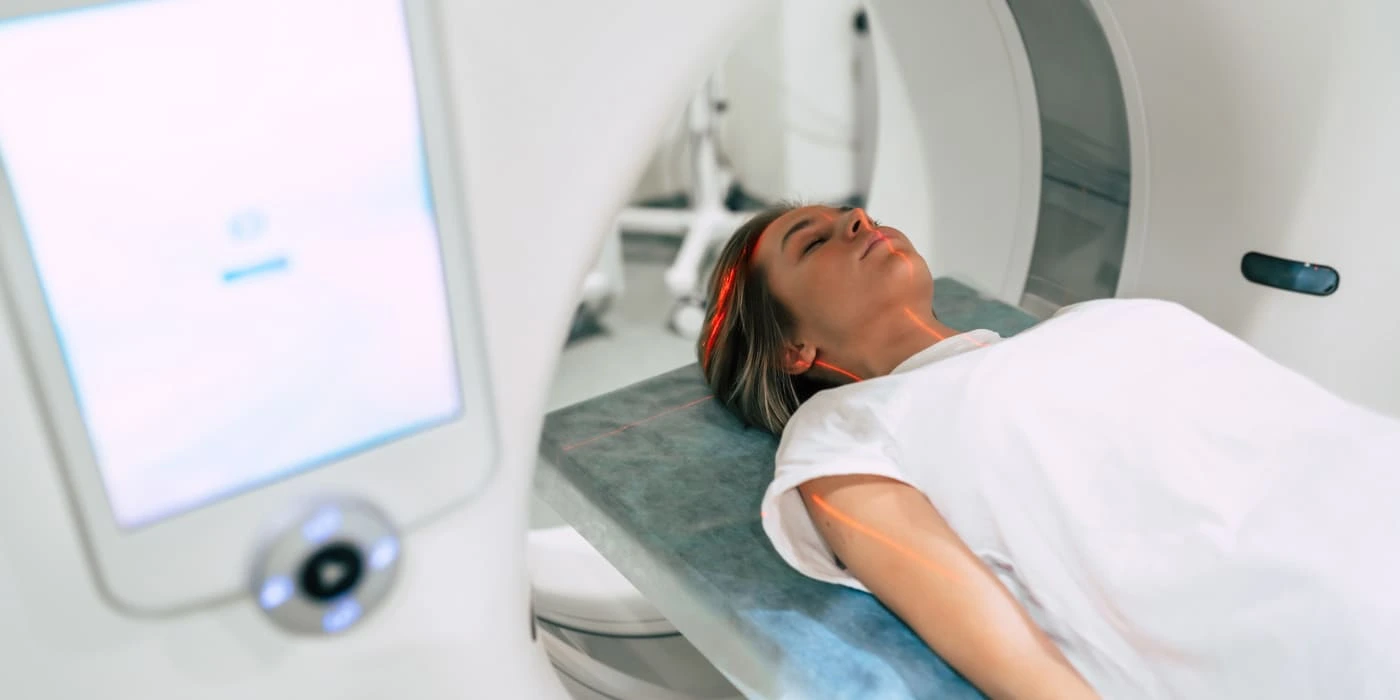
The Functional Unit for Complex Hypothalamic and Pituitary Disorders is a reference unit dedicated to the comprehensive care of patients with disorders affecting the hypothalamic and pituitary region, as well as other neuroendocrine disorders.
The rarity and complexity of these conditions mean that they are considered rare diseases and that their diagnosis and treatment require specific and highly specialised expertise in this field.
At Sant Pau, we have a multidisciplinary team that works in a coordinated manner to assess each case individually and define the best therapeutic and follow-up plan for each patient.
Objectives of the Unit
These are the main objectives that guide the activity of the Functional Unit for Complex Hypothalamic and Pituitary Disorders:
- Ensure an expert diagnosis in a timely manner and a personalised treatment plan. Provide specialised assessment and define the most appropriate treatment for each patient, which may include observation, medication, surgery or radiotherapy.
- Provide safe and precise surgery. In cases where surgery is recommended, perform an expert procedure aimed at removing as much of the tumour as possible while preserving, whenever possible, the function of the remaining pituitary gland.
- Ensure continuous and coordinated care. Work jointly across the Hospital’s different specialties, as well as with each patient's referral centre and primary care centre, in order to maintain efficient long-term shared follow-up.
- Provide person-centred care. Support each patient and their families throughout the entire process, with the help of the case management nurse.
- Contribute to research into pituitary disorders. Participate in clinical trials aimed at improving the treatment of pituitary disorders and facilitating access to new therapeutic options when necessary.
Team
The Functional Unit has a multidisciplinary team that works in a coordinated manner to provide the best possible service. The key roles that facilitate the organisation of the unit and patient follow-up are:

Coordinator | Endocrinology
Dra. Anna Aulinas
Responsible for coordinating patient care and defining the diagnostic and therapeutic plan for each patient within the multidisciplinary team.
Coordinator | Neurosurgery
Dr. Fernando Muñoz
Neurosurgeon specialised in skull base surgery (endoscopic and transcranial approaches).

Case Management Nurse
Rebeca Marín
Reference nurse who supports each patient throughout the entire process, coordinating tests, appointments and follow-up.
- Neurosurgery | Dr. Fernando Muñoz, Dra. Marta Rico
- Endocrinology | Dra. Anna Aulinas, Dra. Queralt Asla
- Otorhinolaryngology | Dr. Juan Ramón Gras, Dra. Maria Casasayas, Dra. Katarzyna Kolanczak
- Ophthalmology | Dra. Cecilia Gómez
- Radiation Oncology | Dr. Josep Balart, Dra. Ana María Soto
- Anesthesiology | Dra. Ana Bueno, Dra. Inmaculada Índia, Dra. Gisela Hermenegildo, Dra. Silvia Barbero
- Diagnostic Imaging | Dra. Esther Granell, Dr. Juan José Sánchez, Dra. Andrea Lozano, Dr. Jorge Elicier Méndez
- Biochemistry | Dra. Eulàlia Urgell
- Pathological Anatomy | Dr. Alberto Gallardo
- Nursing | Rebeca Marín, Diana Garzón, Carolina Nogueras, Aurora Aranda
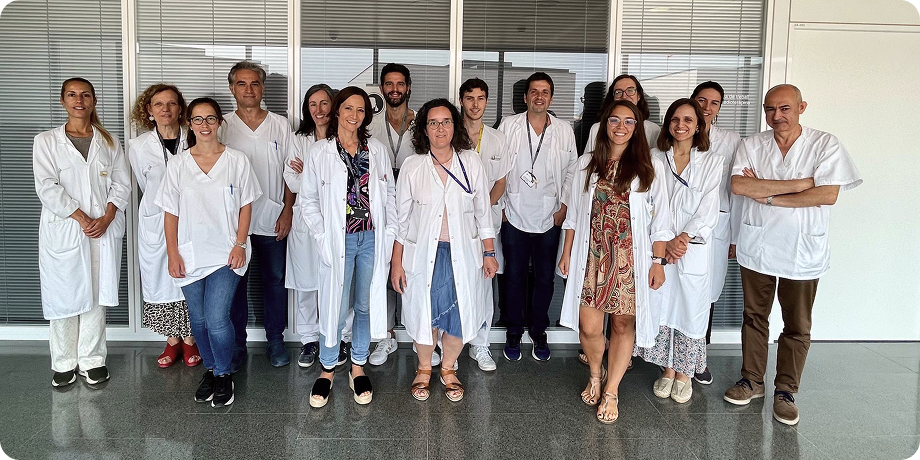
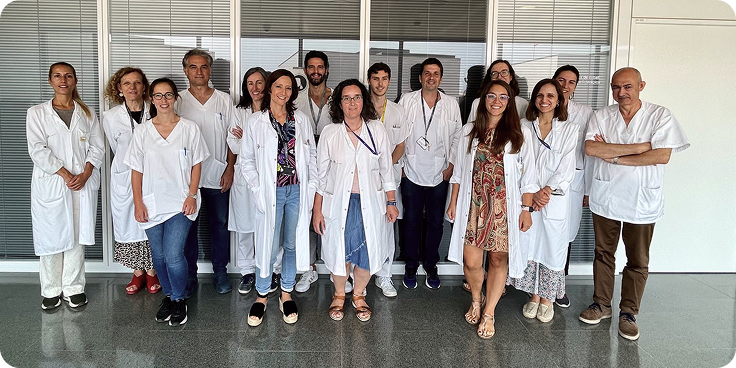
Services that form part of the Unit
Accreditations
The Functional Unit for Complex Hypothalamic and Pituitary Disorders at Hospital de Sant Pau holds accreditations that endorse its expertise in the diagnosis, treatment and follow-up of rare hypothalamic and pituitary diseases, guaranteeing high-quality multidisciplinary care that is person-centred and coordinated with regional, national and European reference networks:

Acreditation
XUEC
Xarxa d’Unitats d’Expertesa Clínica | Servei Català de Salut
Rare endocrine diseases | Adults

Acreditation
CSUR
Centros, Servicios y Unidades de Referencia | Sistema Nacional de Salud Espanyol
Complex hypothalamic-pituitary disorders | Adults

Acreditation
ERN
European Reference Network | Unió Europea
Rare endocrine diseases (pituitary area) | Adults
Receiving care at Hospital de Sant Pau
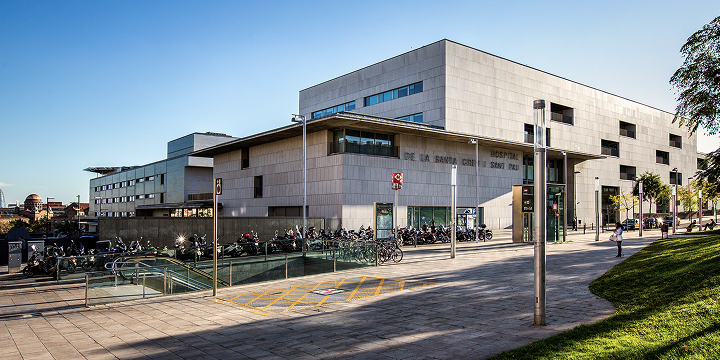
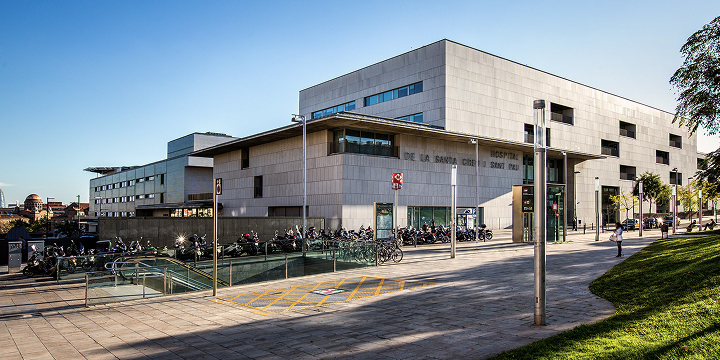
To access the Rare Diseases Programme at Hospital de Sant Pau, you must be referred by your Primary Care Centre (CAP) or your reference hospital.
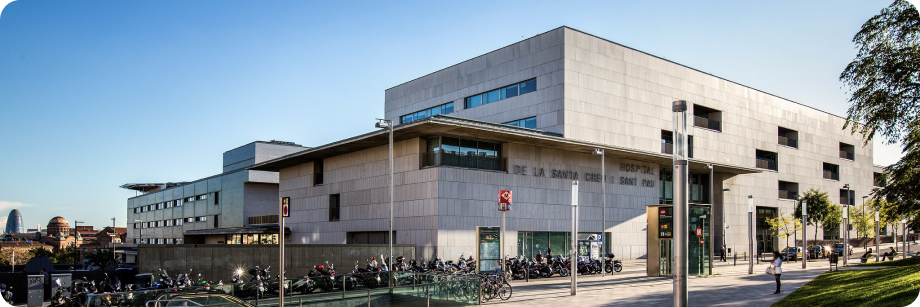
Patients from Catalonia
- If you live in Catalonia, ask your doctor at your Primary Care Centre (CAP) or your reference hospital for a referral.
Patients from other autonomous communities
- If you live in another autonomous community in Spain, ask your hospital doctor to arrange a referral to Hospital de Sant Pau. This referral must be processed through the SIFCO system.
Patient Pathway
The care pathway may vary depending on each case, but it usually follows these steps:
- First Appointment and Diagnostic Tests
At the first appointment, we will review your medical history, symptoms, hormone test results and available imaging studies. If necessary, we will request additional tests to complete the assessment. We will also carry out a physical examination and, if required, a vision assessment. - Treatment Decision
After assessing your case, we will explain the most appropriate treatment plan for you. Treatment may include observation, medication, surgery and/or radiotherapy. - Preparation for Surgery (only if surgery is required)
If surgery is indicated, we will carry out pre-operative tests (blood tests, X-ray and electrocardiogram) and an assessment by the Anaesthesiology team. You will also attend appointments with Endocrinology, Otorhinolaryngology and, if your vision is affected, Ophthalmology. - Surgery (only if surgery is required)
The tumour is removed through the nose using a procedure known as endoscopic transsphenoidal surgery. The operation is performed under general anaesthesia and is carried out jointly by the Otorhinolaryngology and Neurosurgery teams. You can find full details in our Pituitary Surgery Guide. - Post-operative Care and Discharge (only if surgery is required)
After the operation, you will remain in hospital for a few days so that we can monitor your progress and ensure a good recovery. If recovery progresses well, discharge usually takes place between the second and fourth day. - Follow-up
After surgery, your progress will be monitored through regular appointments with Neurosurgery, Endocrinology, Otorhinolaryngology and, when necessary, Ophthalmology. Whether or not you underwent surgery, you will continue to have regular follow-up appointments with Endocrinology. Depending on your case, this follow-up will take place at Hospital de Sant Pau or at your hospital or primary care centre.
Patient Resources

Pituitary Surgery
Guide containing information about surgery, preparation, post-operative care, recovery, recommendations and warning signs.
Patient Associations
We collaborate with leading national and international patient associations to provide support and information to affected individuals and their families.
Contact
If you would like to contact the Functional Unit for Complex Hypothalamic and Pituitary Disorders, please complete the following fields:
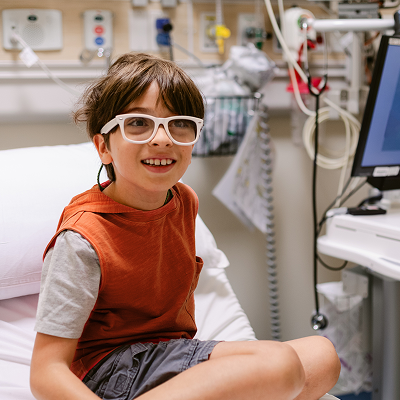
Rare Diseases Programme: Committed to excellence in healthcare
With extensive experience in the management of rare and highly complex diseases, we combine personalised care with research, the latest scientific advances and cutting-edge technology.
We work in a coordinated manner with an extensive network of centres and institutions, both nationally and internationally. This collaboration enables us to promote knowledge transfer and create synergies to provide high-quality multidisciplinary care tailored to the needs of people with rare or highly complex diseases.
With extensive experience in the management of rare and highly complex diseases, we combine personalised care with research, the latest scientific advances and cutting-edge technology.
We work in a coordinated manner with an extensive network of centres and institutions, both nationally and internationally. This collaboration enables us to promote knowledge transfer and create synergies to provide high-quality multidisciplinary care tailored to the needs of people with rare or highly complex diseases.


