

The Fracture Liaison Service comprises a multidisciplinary team who work to prevent, treat, and properly manage osteoporotic fractures, also known as fragility fractures.
Functional Unit
Fragility Fractures (FLS)

What are fragility fractures?
Fragility fractures are bone fractures that occur in weakened bones and are often associated with osteoporosis. They can affect different parts of the body, such as the hip, spine or wrist.
They are a common health problem, particularly among older people, and can have a significant impact on quality of life and independence. Their diagnosis involves assessing bone health and the risk of future fractures, while treatment includes both measures to strengthen the bone and strategies to prevent falls. For this reason, early detection and appropriate follow-up by healthcare professionals are essential.
The Functional Unit
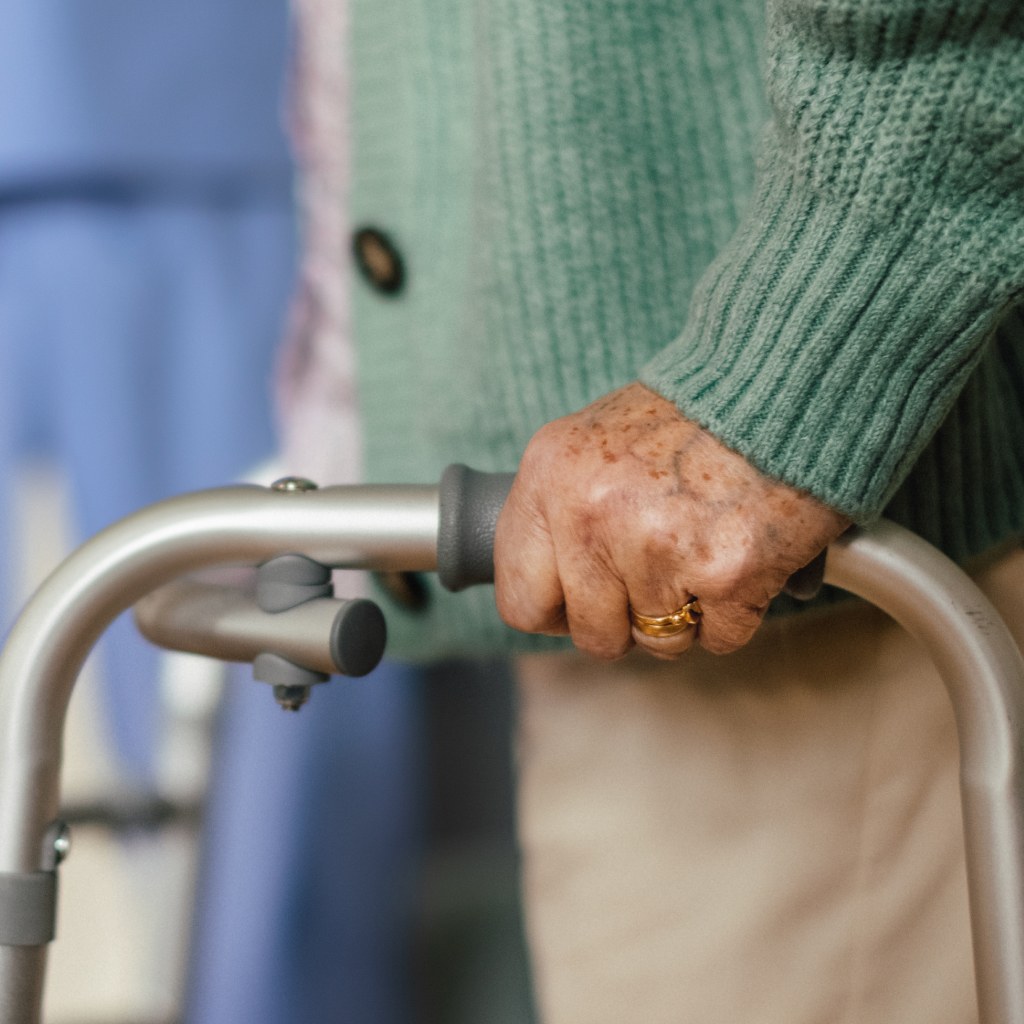
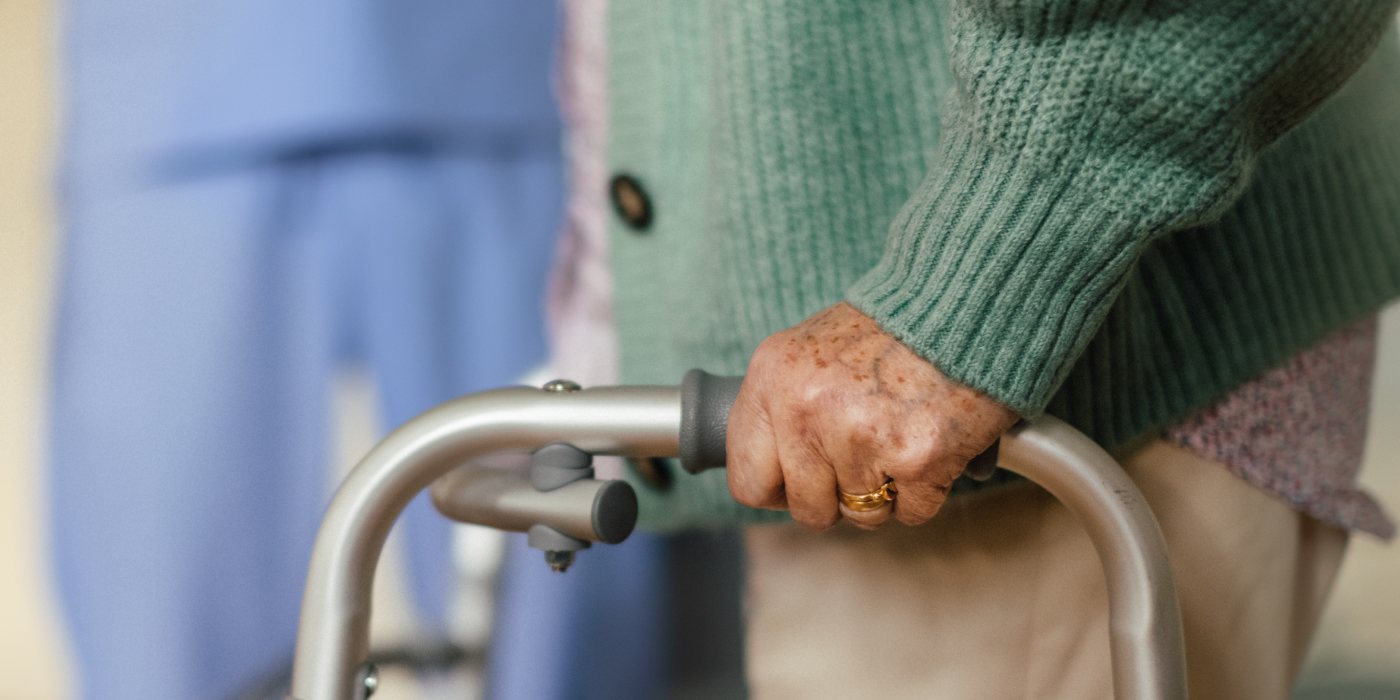
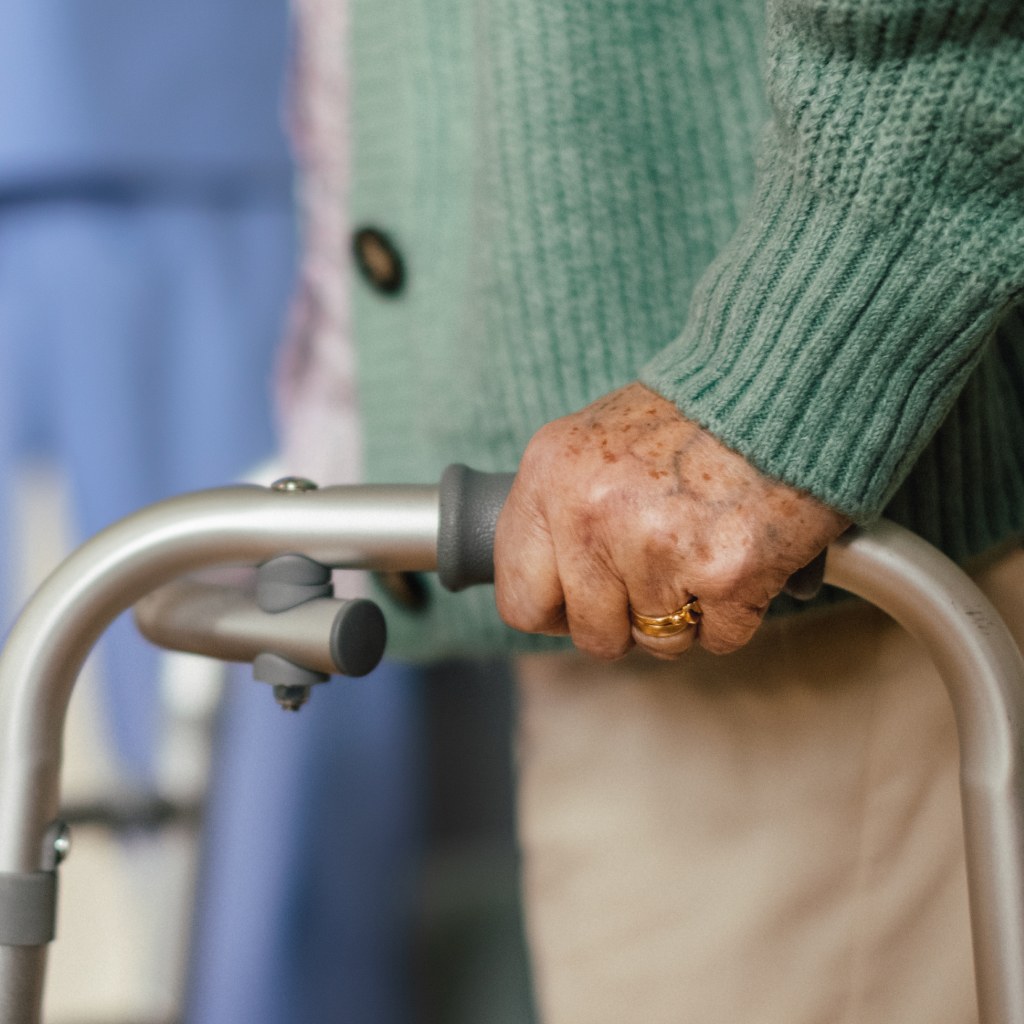
The main objective of the Fragility Fracture Management Unit is to reduce the risk of new fractures and falls through a comprehensive and multidisciplinary approach, ensuring the prescription of and adherence to osteoporosis treatment, and providing the patient with tools to improve their mobility.
Objectives of the Unit
This unit consists of a multicentre care programme, meaning it comprises by several healthcare centres working together to provide continuous and multidisciplinary care to patients suffering from fragility fractures. There are different types of fragility fractures such as hip fractures, vertebral fractures, proximal humerus fractures, distal radius fractures, and pelvic branch fractures. This initiative facilitates coordination between different teams, specialties, and institutions with the goal of ensuring continuity of care for patients diagnosed with fragility fractures.
- Proactively identify patients with fragility fractures in any setting: hospitalisation, emergency, and outpatient care to ensure a high-quality bone assessment and appropriate follow-up.
- Commence appropriate osteoporosis treatment following the latest clinical guidelines to minimise the appearance of new fractures.
- Coordinate long-term follow-up to assess adherence to treatment and to make any relevant adjustments according to the patient's response, reducing the risk of fractures.
- Ensure that patients receive a comprehensive assessment of fracture and refracture risk, and a bone health evaluation, including bone densitometry (DXA) tests and bone remodelling marker analysis.
- Promote patient education on bone health and fall prevention, including recommendations on nutrition, calcium and vitamin D supplementation, and strength and balance exercises.
- Reduce repeated hospitalisations and complications from new fractures through early intervention and multidisciplinary coordination (such as Rheumatology, Internal Medicine, Geriatrics, Pharmacy, Physical Medicine and Rehabilitation).
Team
The Functional Unit has a multidisciplinary team that works in a coordinated manner to provide the best possible service. The key roles that facilitate the organisation of the unit and patients follow-up are:

Coordinator | Clinical Management
Dr. Jordi Martín Marcuello
Responsible for coordinating the unit team to define the best care plan for each patient.
- Internal Medicine | Dr. Jordi Mascaró, Dr. Alessio Rodolico, Dra. Laura Britez, Dra. Nerea Hernández, Ana Milena Millán
- Emergency Medicine | Dra. Mireia Puig, Dra. Marta Blázquez, Dolores Muñoz Zafra
- Rheumatology | Dr. Hèctor Corominas, Dra. Ana Laiz, Dr. Jose Luis Tandaipan
- Orthopedic Surgery and Traumatology | Dr. Julio de Caso
- Physical Medicine and Rehabilitation | Dra. Helena Bascuñana
- Pharmacy | Dr. Jesús Ruiz, Anna de Dios, Dra. Patrícia Amorós
Services that form part of the Unit
Accreditations and recognitions

Capture the Fracture® Certified Gold Standard
The Capture the Fracture certified gold standard is the highest distinction awarded by this global programme, supported by the International Osteoporosis Foundation, which aims to facilitate the implementation of coordinated and multidisciplinary care models for secondary fracture prevention. This recognition is awarded to Fracture Liaison Services (FLS) that meet the excellence standards established in the programme's Best Practice Framework.
Patient Resources
Resources for Fragility Hip Fractures
Access resources to support recovery after a hip fragility fracture.
Collaborating centres
We work in coordination with several healthcare centres that work together to provide continuous and multidisciplinary care to patients with fragility fractures. This initiative facilitates coordination between different teams, specialties, and institutions with the aim of ensuring continuity of care for these patients.
Hospital de la Santa Creu i Sant Pau

Hospital Dos de Maig
Hospital Sociosanitari Mutuam Güell
Hospital Evangèlic de Barcelona

Hestia Health Palau
Contact
If you would like to contact the Fragility Fracture Functional Unit, please complete the following fields:


